

Lifestyle
Protein Supplements for Women: Myths, Fears, and the Real Benefits
D
Dr. Priya Sharma
Cronza Nutrition Team
05 Aug 2026
2 min read
Many Indian women avoid protein supplements due to fear of "bulking up" or concerns about safety. Here's the evidence-based reality.
The Protein Supplement Gender Gap
Walk into almost any Indian gym and you'll see a stark disparity: the vast majority of people buying protein supplements are men. Yet research consistently shows that women who engage in resistance training have similar relative protein requirements to men — and face unique challenges in meeting them on typical Indian diets.
Will Protein Powder Make Women Bulky?
No. This is the central myth that needs to be retired. Muscle hypertrophy at the levels seen in male bodybuilders requires years of intense training, precise nutrition, and testosterone levels that women simply don't have physiologically. Women typically have 15–20× less testosterone than men.
What women who train and eat adequate protein will gain: a tighter, more defined physique, improved strength and function, higher resting metabolic rate, and better long-term health outcomes — not the muscular bulk that this myth implies.
Why Women May Need to Pay Even More Attention to Protein
Hormonal Fluctuations
Research by Stacy Sims and others shows that during the luteal phase (post-ovulation), women's reliance on protein as a fuel source during exercise increases, and muscle protein synthesis is somewhat blunted. Higher protein intake during this phase (2.0–2.4 g/kg) can partially compensate.
Bone Health
Adequate protein intake is essential for bone density maintenance, particularly as women age and oestrogen declines. Protein and calcium work synergistically for bone health — not in opposition, as the kidney-damage myth sometimes implies.
Iron and Recovery
Women who menstruate lose iron monthly. Iron deficiency (common in Indian women, especially vegetarians) impairs energy metabolism and recovery. Protein supplements fortified with iron and B-vitamins can help address multiple deficiencies simultaneously.
Practical Advice
- Aim for 1.6–2.0 g protein per kg bodyweight regardless of gender
- A 25 g whey protein shake is 110–120 kcal — less than a small cup of chai with sugar
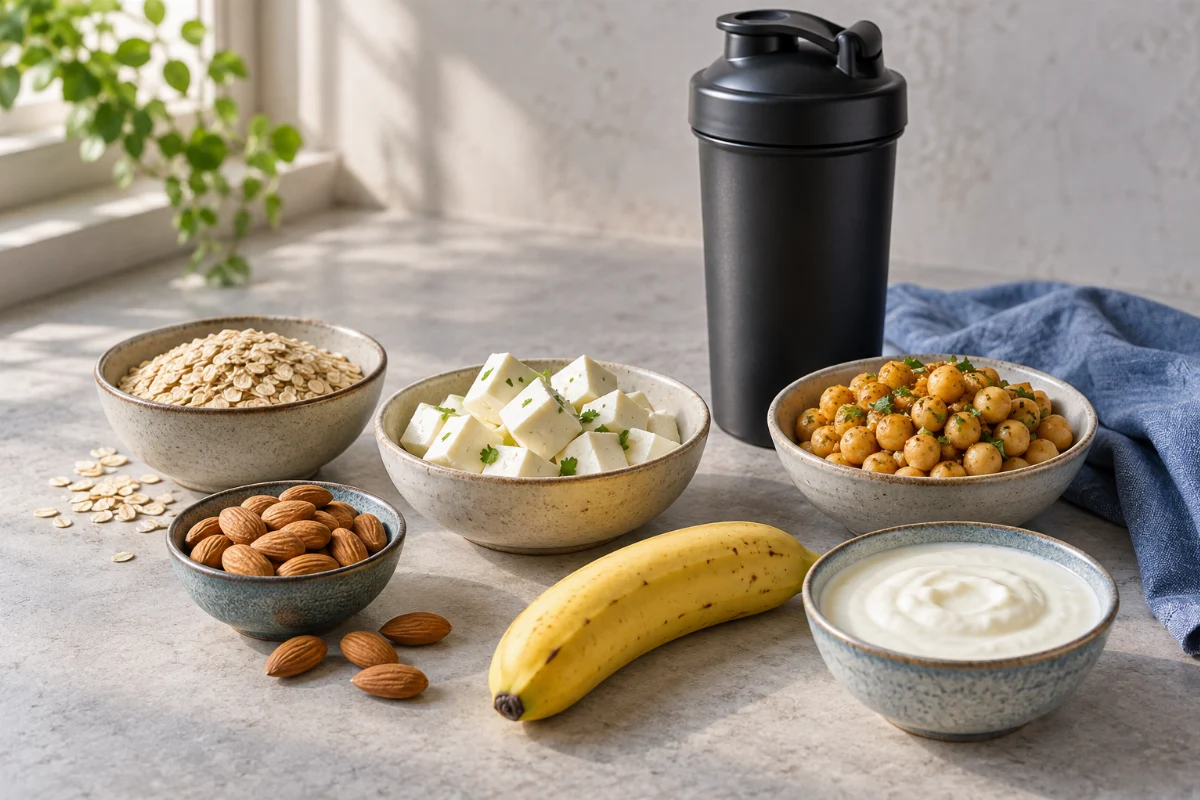
- Mix whey protein into smoothies, curd, oats, or pancake batter if drinking shakes feels uncomfortable
- There is no female-specific protein formula needed — standard high-quality whey is equally effective
Related Articles
Lifestyle
Intermittent Fasting and Muscle Building: What the Research Says for 2025
13 Aug 2026 · 2 min
Comments
No comments yet. Be the first to share your thoughts!
Leave a Comment