


Training
Protein for Cricket Players: Fuelling India's Favourite Sport
C
Coach Arjun Kapoor
Cronza Nutrition Team
12 Jul 2026
2 min read
Cricket demands explosive power, repeated sprint capacity, hand-eye coordination, and mental focus across sessions lasting up to 8 hours. Here's how to fuel it.
The Unique Nutritional Demands of Cricket
Cricket is unlike most sports in its combination of intermittent explosive effort (bowling, batting, fielding) with sustained periods of lower intensity (waiting, walking between overs). A first-class or club cricket match can last 6–8 hours. The nutritional challenge is maintaining energy, focus, and physical readiness across this entire duration.
Why Protein Matters for Cricketers
Cricket requires significant muscular work: fast bowling generates extreme shoulder, back, and leg forces; batting demands rapid full-body power; fielding involves repeated sprinting and throwing. The muscle damage and protein breakdown from these explosive efforts is real and significant.
Studies of professional cricketers show they typically undereat protein relative to the demands of the sport — particularly fast bowlers who generate the greatest physiological stress per session.
Daily Protein Targets for Cricketers
- Training days: 1.6–2.0 g per kg bodyweight
- Match days: 1.8–2.2 g per kg bodyweight — explosive cricket-specific activities increase catabolism
- Rest and travel days: 1.4–1.6 g per kg — maintain muscle and immune function
Match Day Nutrition Strategy
Pre-Match (2–3 Hours Before)
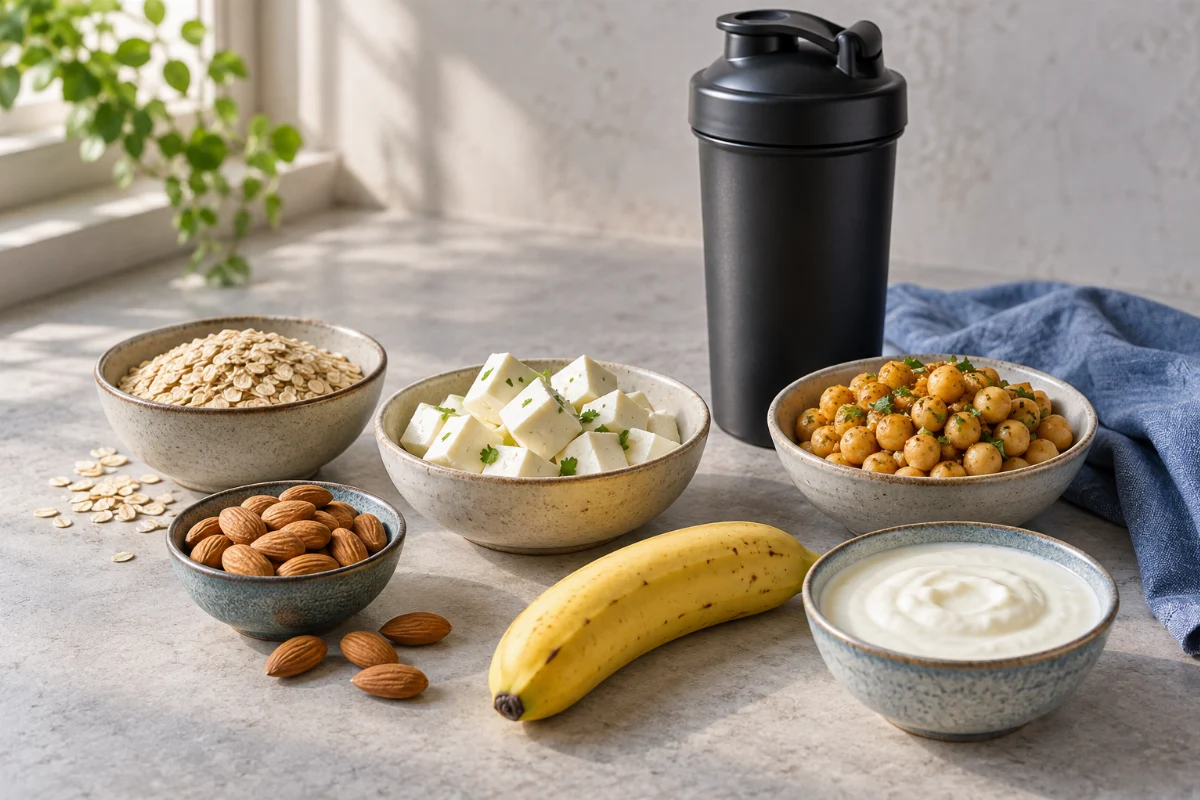
400–600 kcal of high-carbohydrate, moderate-protein, low-fat food: rice + dal + grilled chicken/paneer, or oats + banana + whey protein.
During the Match
Each innings break: fruit, banana, energy bars, nuts. Every 30–45 minutes: 200 ml water + electrolytes. Avoid high-fat or high-fibre foods during play — they slow digestion and can cause GI discomfort.
Post-Match Recovery
25–35 g protein within 30–60 minutes of stumps. A Cronza whey shake is ideal — fast-absorbing, practical to carry, and effective for initiating muscle repair after a long match.
Protein for Fast Bowlers: Special Considerations
Fast bowling places extreme load on the lower back, hip, knee, and shoulder complex. The injury rate among fast bowlers is among the highest in professional sport. Higher protein intake (2.0–2.4 g/kg) during heavy bowling loads is protective and should be combined with adequate vitamin D and omega-3 for bone and connective tissue health.
Related Articles
Comments
No comments yet. Be the first to share your thoughts!
Leave a Comment