

Nutrition
Protein Before Bed: Does It Actually Make a Difference?
D
Dr. Priya Sharma
Cronza Nutrition Team
30 Jun 2026
2 min read
The night is the longest period your body goes without dietary protein. Research on pre-sleep protein consumption shows some clear benefits worth implementing.
The Overnight Protein Challenge
Sleep typically represents the longest fasted period in any 24-hour cycle — 7–9 hours with no protein intake. During this time, muscle protein synthesis requires amino acids. If blood amino acid levels are insufficient, the body may catabolise existing muscle protein to maintain critical functions.
Pre-sleep protein supplementation addresses this by providing a slow-digesting protein source that maintains blood amino acid levels through the night.
The Research: Luc van Loon's Pioneering Work
Professor Luc van Loon at Maastricht University has led most of the key research in this area. Key findings:
- 40 g of casein protein before sleep increased overnight MPS by ~22% compared to a non-protein control
- Over a 12-week resistance training programme, the pre-sleep casein group gained significantly more muscle mass and strength than the placebo group (van Loon et al., 2012)
- The effect was most pronounced when the pre-sleep protein was taken 30 minutes before sleeping
Why Casein Over Whey?
Whey is fast-digesting — it peaks in blood amino acids within 60–90 minutes and clears within 3–4 hours. This is ideal post-workout but suboptimal for overnight sustained release.
Casein is slow-digesting — it forms a gel in the stomach and releases amino acids gradually over 5–7 hours, providing continuous amino acid supply through most of the sleep period. This sustained release makes casein the optimal protein for pre-sleep consumption.
If You Don't Have Casein: Practical Alternatives
Casein supplements are less readily available in India than whey. High-casein whole foods are an effective alternative:
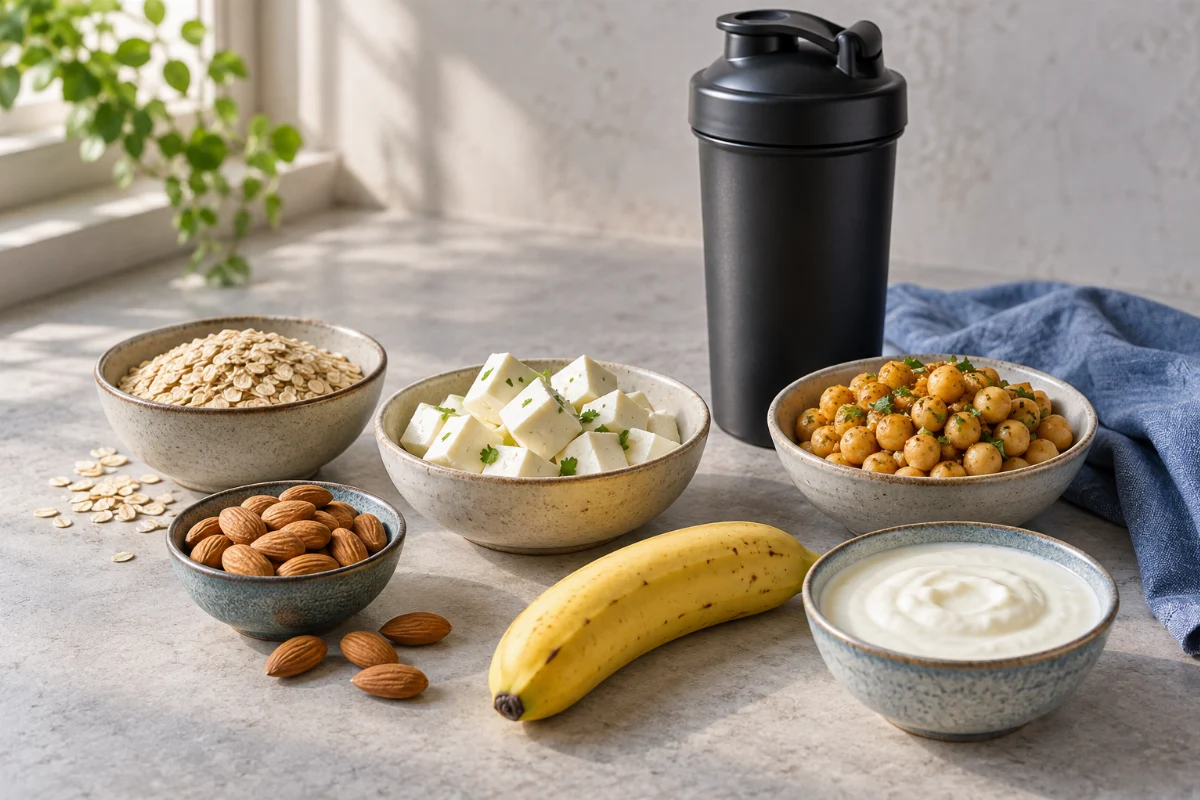
- Paneer (cottage cheese): Approximately 85–90% casein; 100 g provides ~18 g protein in a slow-releasing form
- Greek curd / Greek yoghurt: Higher protein, slower-digesting than regular curd; 200 g provides 15–20 g protein
- Skimmed milk: ~80% casein; 300 ml provides ~10 g protein
The Bottom Line
Pre-sleep protein is a worthwhile addition if you are serious about maximising muscle building or preservation. 30–40 g of slow-digesting protein (casein, paneer, or Greek curd) 30–60 minutes before bed. It doesn't need to be complex — a small bowl of paneer or thick curd is sufficient.
Related Articles

Comments
No comments yet. Be the first to share your thoughts!
Leave a Comment